Branding Vs Marketing
Branding vs Marketing: Key Differences Every Business Should Know
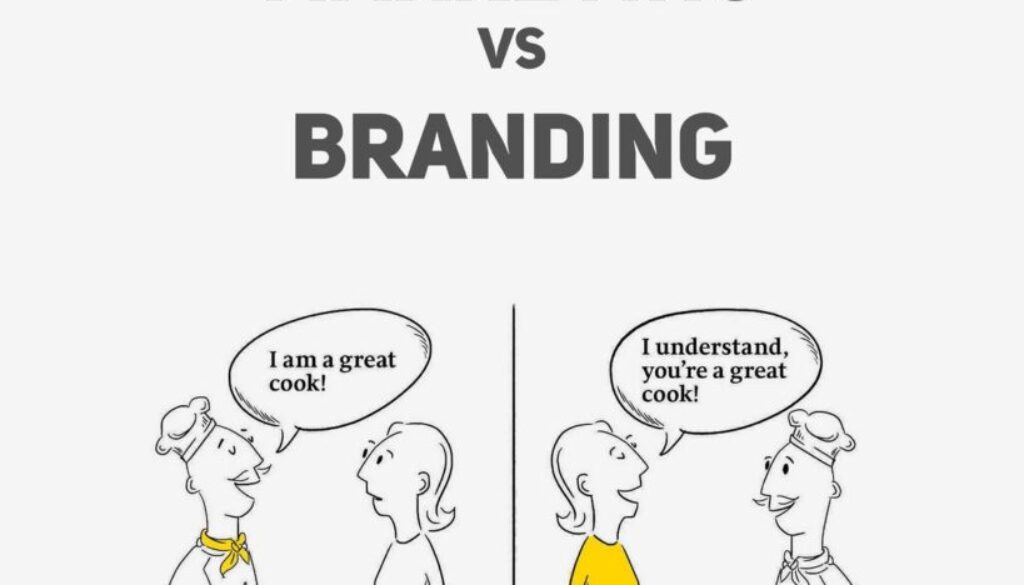
Branding and marketing are often used interchangeably in business, but they have different applications. It is important to note the difference between branding and marketing for a successful business and enhanced customer trust.
In this article, we will discuss branding vs marketing, their differences, and how they can be combined.
What Is Branding?
Branding is the creation of a business’s identity. It responds to the question: Who are you as a brand?
Branding encompasses:
- Brand name and logo
- Brand colors and typography
- Brand voice and tone
- Mission, vision, and values
- Customer perception and trust
What Is Marketing?
Marketing is the approach used to promote products or services and gain customers. It responds to the question: How do you reach your audience?
Marketing encompasses:
- Digital marketing
- Social media marketing
- SEO and content marketing
- Email marketing
- Paid advertising
Branding vs Marketing: Main Differences
1. Purpose
Branding: Focuses on establishing trust and identity.
Marketing: Focuses on creating awareness and sales.
2. Timeline
Branding: Long-term process.
Marketing: Short-term or long-term process.
3. Focus
Branding: Perception and emotional approach.
Marketing: Promotion and conversion approach.
4. Consistency
Branding: Consistent in the long run.
Marketing: Changes according to goals and trends.

How Branding and Marketing Work Together
Branding precedes marketing.
Without branding, marketing lacks authenticity. Without marketing, branding goes unnoticed.
When branding and marketing work together:
- Marketing messages remain consistent
- Customers trust the brand more quickly
- Engagement and conversion rates increase
- Businesses establish long-term loyalty
- Branding enhances the effectiveness of marketing.
Which Is More Important: Branding or Marketing?
Both are important, but they have different purposes.
Branding is the base.
Marketing is the promotion.
A business that only promotes may see temporary success. A business that brands creates long-term value.
Branding vs Marketing: 6 Differences That Impact Business Growth
Branding and marketing are interrelated concepts, but have different applications in a business. Branding is the foundation, and marketing is the process of communicating this foundation to the audience. The differences between branding and marketing can help businesses grow.
The 6 differences between branding and marketing and their impact on business growth are discussed below.
1. Purpose of Difference
Branding is about who you are as a brand. It is all about your identity, your values, and how your customers see you.
Marketing is all about promoting your products or services to attract customers and make sales.
Effect on growth:
Branding is all about trust, while marketing is all about visibility and conversion.
2. Long-Term vs Short-Term
Branding is a long-term process. It takes time to grow and develop as a brand.
Marketing can be both short-term and long-term, depending on the campaign, offer, or goal.
Effect on growth:
Branding helps in long-term customer loyalty, while marketing helps in fast growth.
3. Brand Identity vs Marketing
Branding is all about your brand identity, including your logo, colors, tone of voice, and brand personality.
Marketing is all about promoting your brand using social media, advertising, email, and search engine optimization.
Effect on growth:
Branding helps in making marketing campaigns more memorable and effective.
4. Emotional Connection vs Direct Selling
Branding is all about making an emotional connection with your customers.
Marketing is all about direct communication and selling.
Effect on growth:
Emotional connection helps in customer loyalty, while direct selling helps in making sales and revenue.
5. Consistency vs Campaign-Based Efforts
Branding is consistent across all platforms and touchpoints.
Marketing efforts vary depending on the campaigns, trends, and results.
Effect on growth:
Consistency promotes recognition, while dynamic marketing efforts keep the brand on top.
6. Effect on Business Growth
Branding creates long-term value, reputation, and loyalty.
Marketing drives business growth through expanded reach, leads, and sales.
Effect on growth:
Balanced branding and marketing efforts help businesses grow.
Conclusion
Branding is who you are.
Marketing is how you communicate that to your audience.
Businesses that recognize the difference between branding and marketing and leverage both have a huge competitive advantage in today’s digital age.
Looking to grow your business online? Connect with the Best Digital Marketing strategist in Kannur and take your brand to the next level!